
Map a Sedalia Address Backward
Previous residents research begins by matching the question to the era. A recent deed chain can identify successive owners. A reverse directory can put a historical name at an address. A census schedule can place a household at its census date, while a newspaper, cemetery entry, or probate file may explain a departure or death. These sources overlap but are not interchangeable. The table starts with the Recorder's two online layers, then moves to the library and archival routes that make a Sedalia address history possible.
| Historical source | Years it covers | Where held | What it can show |
|---|---|---|---|
| Fidlar land index | 1983 to present | Pettis Recorder-linked Tapestry portal | Recent grantors, grantees, deed type, date, and document placement |
| Cott historical index and books | 1833 to 1994 | Recorder-linked RecordHub | Direct and indirect names, book/page, descriptions, and scan-page clues |
| Recorder books and archival reels | Early records through later series | Pettis Recorder and Missouri State Archives microfilm | Instrument and legal-description evidence when index research is not enough |
| Sedalia directories | 1873 to 1874, 1883, and selected later runs | Sedalia Public Library and related historical collections | Address-linked occupant, business, spouse, or occupation clues |
| Federal census schedules | Released under the 72-year rule | National Archives sources, library databases, and approved genealogy services | Household composition and a residence at the census date |
| Sedalia Democrat microfilm | December 1871 onward | Sedalia Public Library | Notices, obituaries, events, and address clues |
Start with the property roll and deed index for a modern parcel. For a nineteenth- or twentieth-century household question, follow the legal description and add the closest available directory, census, and newspaper evidence. Do not expect a single database to settle who lived here before.
Sedalia Previous Residents Start Here
Pettis County Devnet provides the current parcel handoff. Search a physical House Number, Street Name, and City when the address is known, then preserve the account number, owner name, situs address, mailing address, legal description, subdivision, lot, and block if they appear. Devnet also documents filters for owner name, sale price and date, township, property class, and land use. The current account does not reveal all past residents, but it supplies the stable property identifiers that make later Recorder research less dependent on a modern street number.
Keep situs and mailing addresses separate. The situs is the parcel's physical location. The mailing address is where a tax notice goes, and it may identify an owner who lives elsewhere. A tax account can also lag a recent conveyance. For past residents of a Sedalia address, treat the parcel record as a starting point for the deed chain, not proof that the current or named owner occupied the property.
Trace Sedalia Previous Residents by Deed
Pettis County Recorder of Deeds is the custodian for the local land-record trail. A chain of title follows ownership transfers, not every household. Still, it is the best framework for organizing other evidence. Start with today's owner in Devnet, then find that person or entity as grantee in the Recorder index. The acquisition instrument identifies the seller, who is the grantor. Search that seller as grantee to locate the earlier purchase. Repeat while the legal description remains consistent.
- Copy the parcel account, current owner, situs and mailing lines, legal description, subdivision, lot, and block from Devnet. The legal description is the safeguard when older records lack a familiar street number.
- Search the current owner as grantee in Fidlar. Record the grantor, recording date, document type, document number or book/page, and the description from the acquisition deed.
- Search that prior grantor as a grantee. This looks for the purchase that made the seller an owner before the later sale.
- Repeat backward, checking initials, married names, entities, and spelling variants against the same lot, block, subdivision, or metes-and-bounds wording.
- When the online search stops, move to RecordHub, the Recorder's books, or the Missouri Archives reel guidance. Request a copy or certified instrument from the Recorder when the actual document is needed.
- Grantor
- The party transferring an interest in a recorded instrument, commonly the seller in a deed.
- Grantee
- The party receiving an interest in the instrument, commonly the buyer in a deed.
- Chain of title
- The linked succession of recorded transfers for the same property, tracked through people or entities and a legal description.
- Legal description
- The lot, block, subdivision, or metes-and-bounds wording that identifies land more reliably than a changing street address.
Sedalia Deed Index Overlap
Fidlar Tapestry is the recorder-linked current index from 1983 to the present. Cott RecordHub offers free historical index and book research from 1833 through 1994. The overlap gives past residents research a useful cross-check. A later conveyance in Fidlar can be searched by party name or legal description in RecordHub, where a book/page reference, older description, or name variant may point to the next earlier transfer.
RecordHub's documented tools include Simple and Expanded Search, dates, book/page, document categories, begins-with or contains matching, a Name Directory of spelling variants and counts, and a trailing asterisk wildcard after at least two characters. Its result fields can include scan pages, date, type, Party One, Party Two, description, file number, and book/page. The index is free to search, but image and copy availability must be checked for the individual result.
The Fidlar land-record search is the recent segment of the previous residents trail.
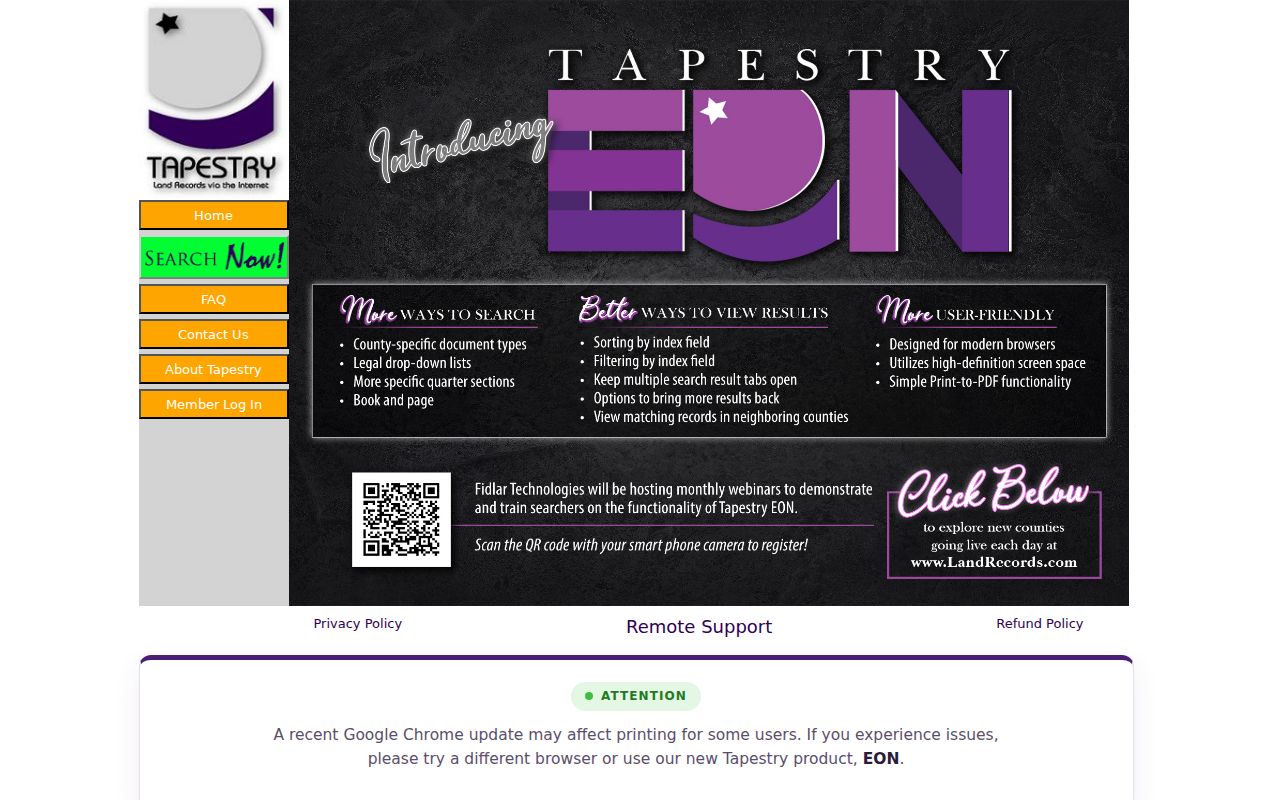
Use the current index to establish the last recorded transfer, then carry its grantor, grantee, description, and document reference into the historical search.
The Cott RecordHub historical index provides the older name and book-search path for Sedalia previous residents research.
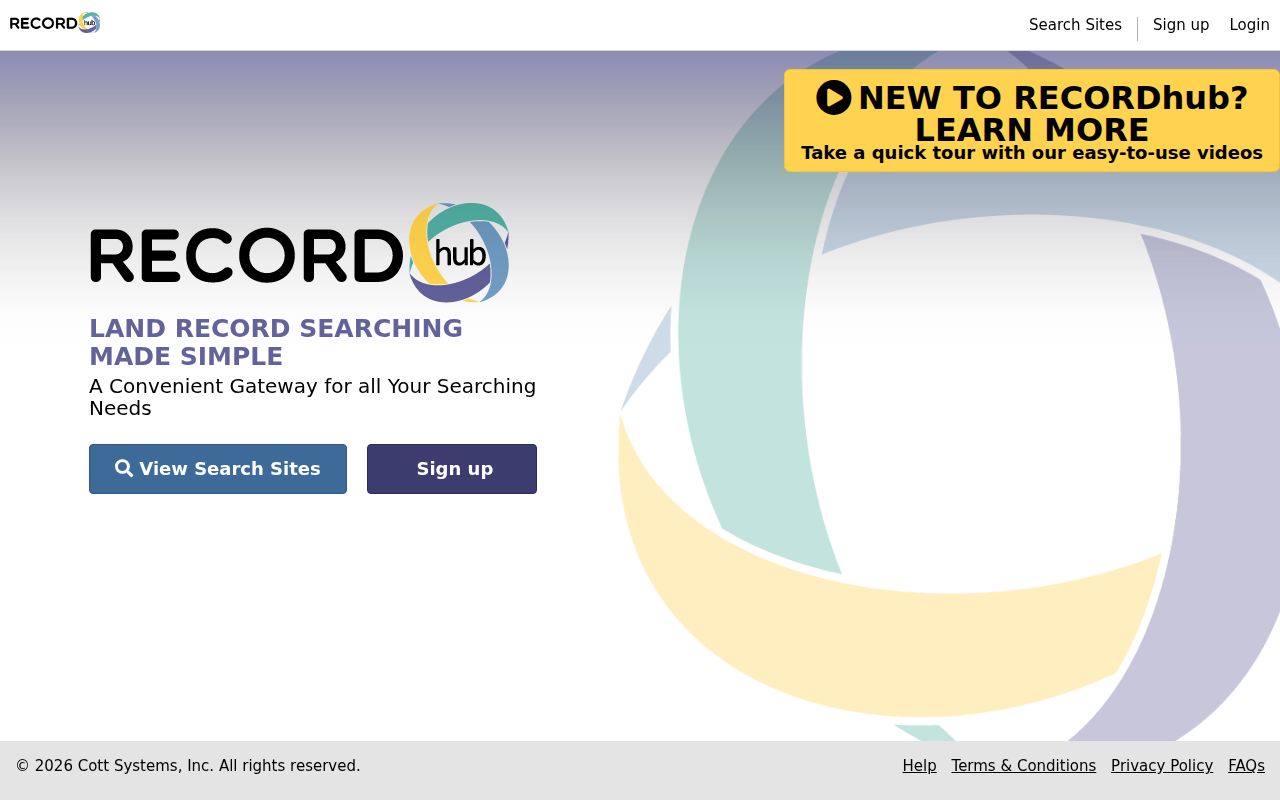
A Name Directory hit can expose a spelling that the modern chain missed. Preserve the book/page and dates before asking the Recorder for the underlying instrument.
Sedalia Previous Residents in Archives
The online indexes are not the whole custody story. The Missouri State Archives Pettis microfilm guide identifies recorder, circuit, county, and probate record series. It notes that records after January 1, 1970 should be requested from the local Recorder under RSMo 59.003, while earlier deeds, court, county, and probate materials are represented by microfilm series. That is a custody instruction, not proof that every pre-1970 page is online.
Pettis County was organized in 1833. The county seat moved to Sedalia in 1865, an 1884 courthouse burned on June 22, 1920, and the present courthouse was built in 1925. This record history is an important Sedalia past-residents clue: missing material may need a Recorder inquiry, an Archives reel, or a library source rather than a repeat search of the same web index. Keep the record series, reel, volume, and page in the notes for each handoff.
Sedalia Addresses Without Crosswalks
No official source in this research run verified a citywide street-renumbering date, a full street-renaming list, or an annexation-to-address crosswalk for Sedalia. That is a real research gap, not an invitation to guess. A failed search of today's address does not show that the property or its earlier occupants were absent. Historical records may identify only a lot, block, subdivision, ward, rail landmark, or an adjacent address.
Bridge the gap with the legal description, a plat, a ward map, a courthouse index, newspaper landmarks, and a period map. The Library of Congress Sedalia Sanborn item documents a seven-sheet map set from 1883. It can supply building footprint, use, adjacent structures, street alignment, and a way to test an early location before modern numbering. Do not convert a map resemblance into a precise address match without the property evidence.
Sedalia Previous Residents Household Trail
Owners are only one layer of a property history. Sedalia Public Library holds directories, local history, yearbooks, obituaries, cemetery resources, and newspaper microfilm, and accepts focused research requests with names, dates, places, and a narrow question. Its directory resources begin in 1867, while the earliest known Sedalia directory identified in the local survey is the 1873 to 1874 DeVoe run, followed by an 1883 local directory and selected later runs. Ask specifically about reverse or criss-cross volumes and missing years.
Pair a directory entry with the closest released federal census and use the 72-year public-release rule when deciding what census schedules are available. The Missouri State Archives also indexes state censuses, county tax lists, and special series, but those are finding aids rather than a promise of a full household page. A directory name can be a boarder, business user, relative, or office occupant. A census name is a household clue at a date. Together, they can test, but not automatically prove, who lived at an address across years.
- Choose a directory year near the deed transfer or property change, then search the street or reverse arrangement when available.
- Write the printed spelling, address, source year, page, and any spouse, occupation, or business notation without expanding an abbreviation by guesswork.
- Find the nearest released census schedule and compare the address, household composition, and date with the directory result.
- Use Democrat microfilm, an obituary, cemetery record, or probate index to account for a disappearance, death, or later conveyance.
The library collections themselves are described in more depth in the Sedalia Directory Book. For an address question, use them as dated household evidence alongside the land chain.
Sedalia Building Context in 1883
Sanborn maps add building context, not a resident list. The 1883 Sedalia sheets can show a footprint, use, street alignment, and adjacent structures before later alterations. That is useful when a deed's legal description does not resemble the present street number or when a directory refers to a depot, downtown block, or other landmark. Match the map detail back to the lot, block, plat, or deed rather than treating the map label as a complete property history.
City permits and code files are another dating layer, but a public permit-history index was not located. Sedalia Code Enforcement handles building, zoning, floodplain, nuisance, and inspection duties. Request an address and date range through the appropriate city record route, and ask only for public material such as permit number, issue or close date, scope, and inspection result. The file may date a change to the building even when it cannot identify all previous residents.
Sedalia Heir and Death Trails
When a name disappears from an address trail, probate, obituary, cemetery, and later deed material can supply a careful endpoint. A Pettis probate file may identify a decedent, personal representative, heirs, notices, and property. Missouri Case.net is the public index for a case, while the Pettis Circuit Clerk keeps the actual local file and copy route. An obituary or cemetery record can add a death or family clue, but it does not by itself establish a past address.
This is also a useful human-use layer for a family history or heir question: follow the property's legal description from a deed to a probate reference, then test the connection with a dated obituary, cemetery record, or later conveyance. Keep the result scoped to the historical question. A narrow trail is more reliable than assembling unnecessary details about living people.
Lawful use. Use Sedalia previous residents records for house history, family history, heir questions, and careful civic research. Do not use them to stalk, harass, track, or harm any living person.